







For most homeowners, a house is more than a place to live — it is one of the largest financial investments they will ever make. Yet many properties slowly lose market value without owners realizing it. The changes are gradual: finishes age, exterior elements deteriorate, and functional layouts fall behind modern expectations.
The good news is that declining home value is often reversible. Strategic remodeling, guided by experienced professionals, can restore appeal, improve functionality, and significantly strengthen resale potential.
If you are planning to sell in the future — or simply want to protect your investment — recognizing the warning signs early is critical.
Why Home Value Declines Over Time
Real estate value is influenced not only by location and market conditions but also by condition, safety, and perceived modernity. According to industry data from organizations like the National Association of Realtors and annual remodeling cost-vs-value studies, buyers consistently prioritize updated kitchens, modern bathrooms, and well-maintained exterior spaces when evaluating homes.
When these elements fall behind, buyers mentally subtract thousands of dollars from their offers — even before inspections begin.
Here are the most common signs your home may be losing value.
1. An Outdated Kitchen That Feels Stuck in the Past
The kitchen is widely considered the most influential room in resale decisions. Buyers today expect functionality, efficient layouts, durable materials, and updated finishes.
Warning signs include:
- Worn or damaged cabinets
- Outdated countertops or laminate surfaces
- Poor lighting or closed layouts
- Aging appliances or inefficient storage
Even if everything still works, an outdated kitchen signals future expenses to buyers. Many will reduce their offer to compensate for a renovation they expect to complete themselves.
How remodeling reverses the problem
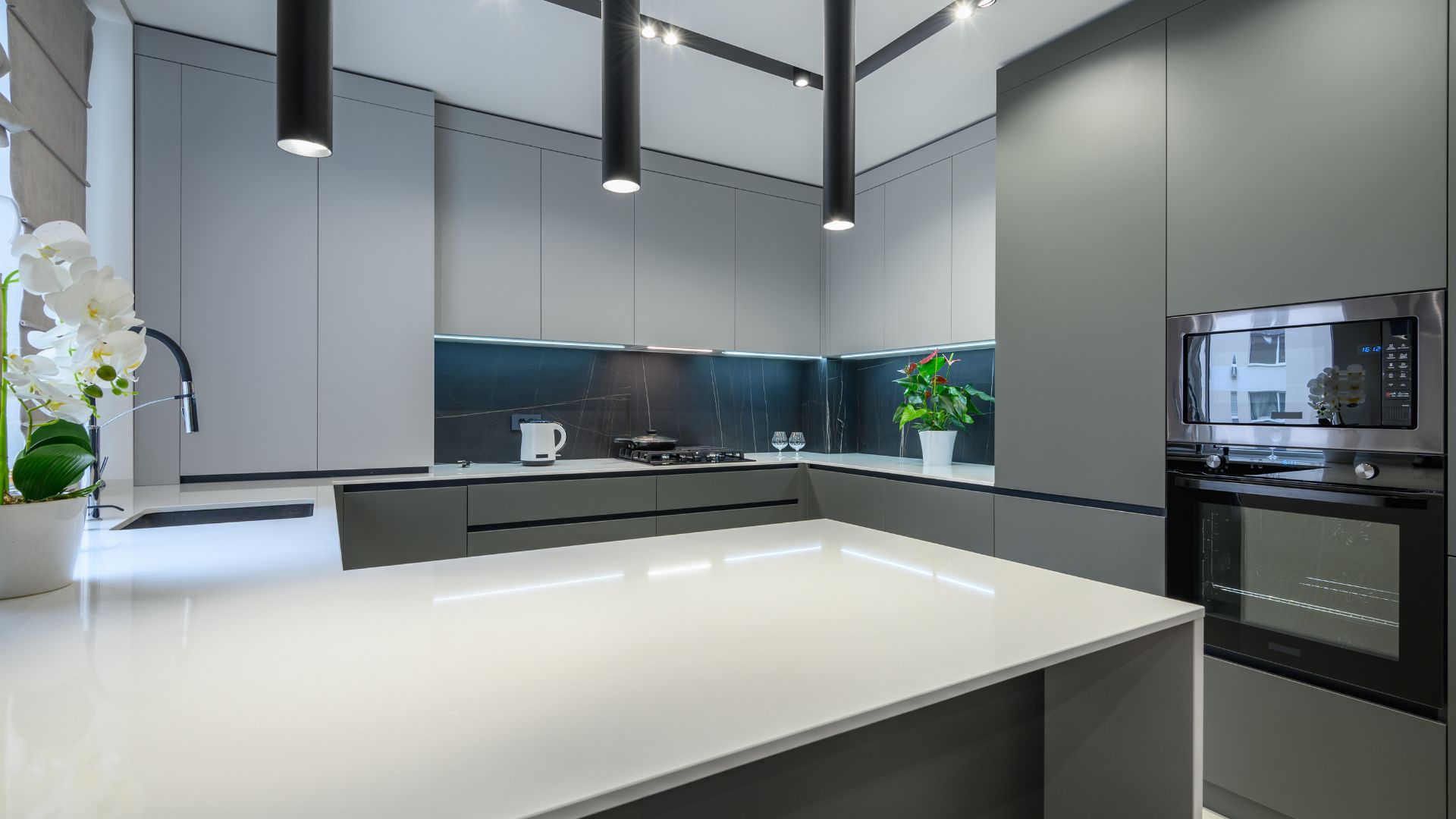
A professionally planned kitchen remodel improves both aesthetics and usability. Modern layouts, updated cabinetry, and durable materials immediately increase perceived value and buyer confidence. More importantly, quality craftsmanship ensures improvements last for years instead of becoming another short-term fix.
2. Bathrooms That Show Their Age
Baños are another high-impact area where aging becomes obvious quickly. Old fixtures, dated tile patterns, or signs of moisture damage can make an entire home feel neglected.
Common red flags:
- Cracked tiles or worn grout
- Poor ventilation leading to humidity issues
- Outdated vanities and lighting
- Inefficient layouts or lack of storage
According to housing market research, updated bathrooms consistently rank among the renovations buyers value most because they combine comfort, hygiene, and functionality.
How remodeling helps
Modern bathroom renovations improve daily living while signaling proper home maintenance. Updated waterproofing, ventilation, and materials also help prevent long-term moisture problems — an issue inspectors and buyers watch closely.
3. A Deteriorating Exterior That Hurts First Impressions
Curb appeal plays a major role in perceived value. Studies show buyers often form opinions within seconds of seeing a home’s exterior.
Signs of exterior decline include:
- Peeling or faded paint
- Wood rot or damaged trim
- Weathered siding
- Visible wear caused by sun exposure, humidity, and seasonal temperature changes
Exterior deterioration does more than affect appearance. It can expose structural components to moisture intrusion, accelerating costly damage.
How remodeling restores value
Professional exterior improvements protect the home while dramatically improving visual appeal. Proper surface preparation, high-quality materials, and climate-appropriate installation methods extend durability and reduce maintenance costs — something buyers increasingly look for.
4. Unsafe or Aging Decks
Outdoor living spaces have become a major selling feature in modern homes, but aging decks can quickly turn from an asset into a liability.
Industry safety organizations report that many residential decks are approaching or exceeding their expected lifespan, often due to weather exposure and lack of structural updates.
Warning signs include:
- Loose railings or unstable boards
- Soft or rotting wood
- Rusted fasteners
- Structural movement or sagging
Buyers and inspectors treat unsafe decks as serious concerns, often requiring repairs before closing.
How remodeling makes a difference
Deck repair or reconstruction improves safety, usability, and property appeal. Professionally built decks using proper structural methods and durable materials create outdoor spaces buyers immediately value — and families can enjoy with confidence.
Why Waiting Often Costs More
One of the biggest mistakes homeowners make is delaying improvements until they plan to sell. By that point:
- damage may have spread,
- repair costs increase,
- and rushed renovations rarely achieve the best results.
Proactive remodeling allows improvements to be completed correctly, enjoyed for years, and presented as long-term upgrades rather than last-minute fixes.
Protect Your Investment Before Value Slips Further
Your home does not lose value overnight. It happens gradually through wear, outdated design, and overlooked maintenance. The sooner these issues are addressed, the easier — and more cost-effective — they are to correct.
Professional remodeling is not just about appearance. It is about protecting equity, improving daily comfort, and positioning your home competitively for the future market.
If you are noticing any of these warning signs, now is the right time to act.
A professional evaluation can identify opportunities to increase value, improve safety, and modernize your home with solutions tailored to your goals.